People Check Body Temperature: A Vital Tool in the Fight Against COVID-19
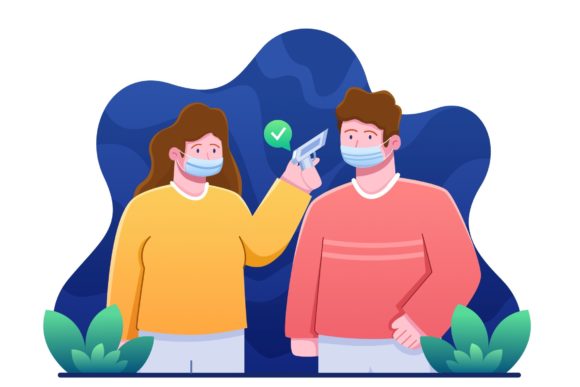
People check body temperature as a precautionary measure to help prevent the spread of the coronavirus. This practice has become increasingly common, especially in public and high-traffic areas, where it serves as an initial screening tool to identify individuals who may have a fever, a common symptom of COVID-19.
Real-World Scenarios Where Temperature Checks Are Useful
In the midst of the pandemic, people check body temperature in various settings to ensure safety and reduce the risk of transmission. Here are some real-world scenarios where this practice is particularly beneficial:
- Offices and Workplaces: Many companies have implemented temperature checks at entry points to protect their employees. This helps in identifying anyone with a fever before they enter the workplace, potentially preventing an outbreak.
- Schools and Universities: Educational institutions use temperature checks to safeguard students and staff. This is especially important in densely populated environments where the virus can spread quickly.
- Public Transport: Airports, train stations, and bus terminals often require passengers to undergo temperature screening. This helps in maintaining a safe travel environment and reducing the risk of spreading the virus across different regions.
- Retail and Shopping Centers: Stores and malls have adopted temperature checks to ensure that shoppers and employees are healthy. This not only protects the community but also instills confidence in customers, encouraging them to visit these establishments.
Different Industries and Their Unique Needs
The need for people check body temperature varies across different industries, each with its own set of challenges and requirements. Here’s how different sectors benefit from this practice:
- Healthcare: Hospitals and clinics are on the front lines of the pandemic. Regular temperature checks for both patients and staff are crucial to maintain a sterile and safe environment.
- Hospitality: Hotels, restaurants, and other hospitality businesses use temperature checks to reassure guests and employees. This helps in maintaining a positive and safe experience for all visitors.
- Manufacturing: In industrial settings, where close contact among workers is often unavoidable, temperature checks are essential to prevent the spread of the virus and keep operations running smoothly.
- Event Management: For large gatherings such as conferences, concerts, and sports events, temperature checks are a key part of the safety protocol. This ensures that attendees and participants are healthy, minimizing the risk of an outbreak.
Practical Considerations Before Implementing Temperature Checks
While people check body temperature is a valuable tool, there are several practical considerations to keep in mind before implementing this practice:
- Accuracy and Reliability: Choose a reliable thermometer or thermogun that provides accurate readings. The accuracy of the device is crucial to ensure that the screening process is effective.
- Training and Procedures: Staff conducting the temperature checks should be properly trained. Clear procedures and guidelines should be in place to ensure consistency and reliability.
- Privacy and Ethics: Respect the privacy and rights of individuals. Ensure that the data collected is handled confidentially and in compliance with relevant laws and regulations.
- Integration with Other Measures: Temperature checks should be part of a broader set of safety measures, including hand hygiene, social distancing, and mask-wearing. A multi-layered approach is more effective in preventing the spread of the virus.
Strengths and Limitations of Temperature Checks
Understanding the strengths and limitations of people check body temperature is essential for making informed decisions about its implementation:
Strengths:
- Early Detection: Temperature checks can help in early detection of potential cases, allowing for prompt action to prevent further spread.
- Reassurance: Regular temperature screenings provide a sense of security and reassurance to employees, customers, and the general public.
- Cost-Effective: Compared to other health screening methods, temperature checks are relatively inexpensive and easy to implement.
Limitations:
- Not Definitive: A high temperature is not always a sign of COVID-19. Other factors, such as the flu or even physical exertion, can cause a temporary increase in body temperature.
- False Negatives: Some individuals with the virus may not show symptoms, including a fever, leading to false negatives. It is important to complement temperature checks with other preventive measures.
- Resource Intensive: Conducting temperature checks requires dedicated staff and equipment, which can be resource-intensive, especially for smaller organizations.
By understanding the practical applications and considerations, people check body temperature can be an effective part of a comprehensive strategy to combat the spread of the coronavirus. Always refer to local government and health organizations for the most accurate and up-to-date information. (Format: AFDESIGN for Affinity Designer JPG SVG PDF EPS)